
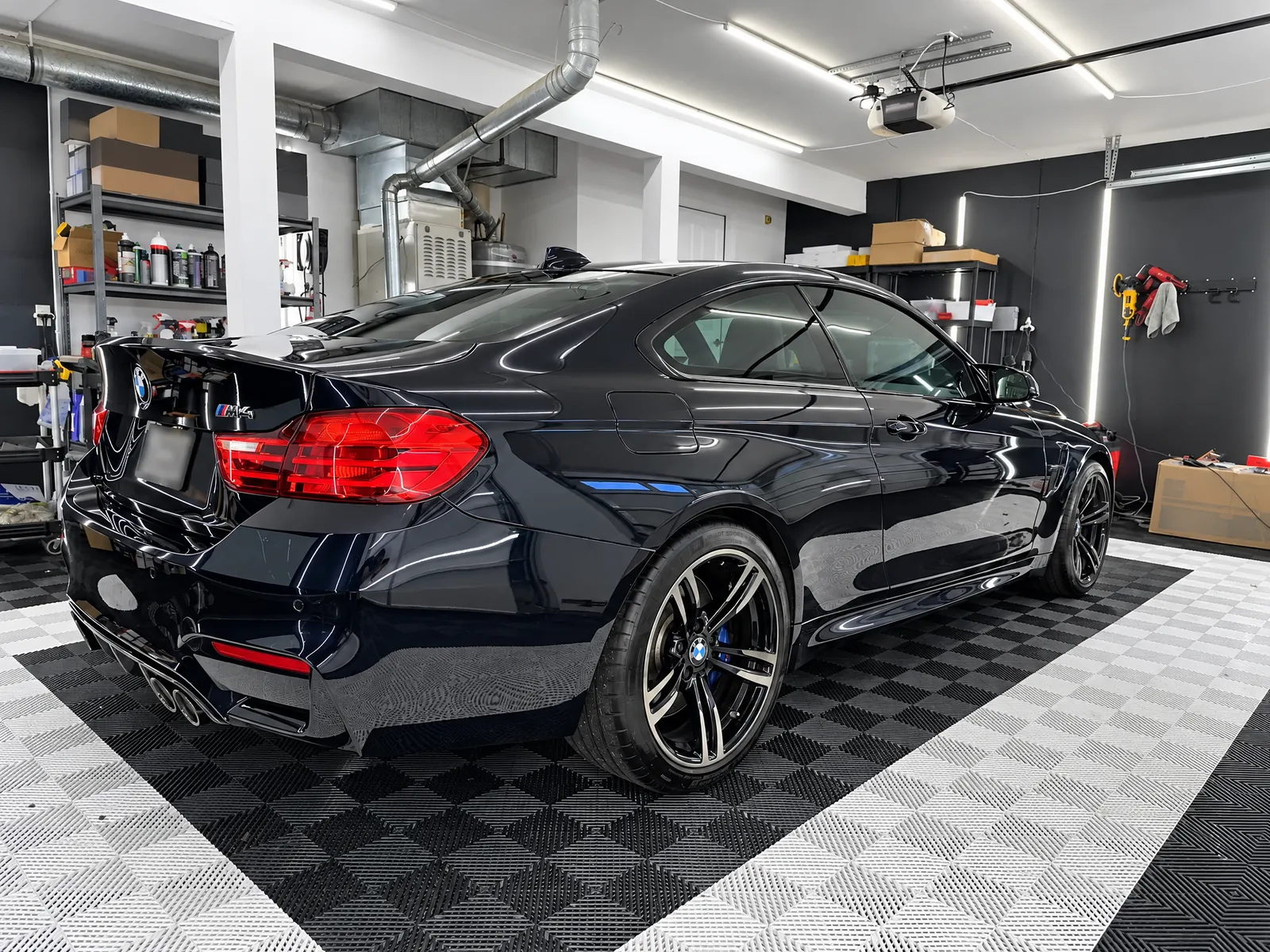
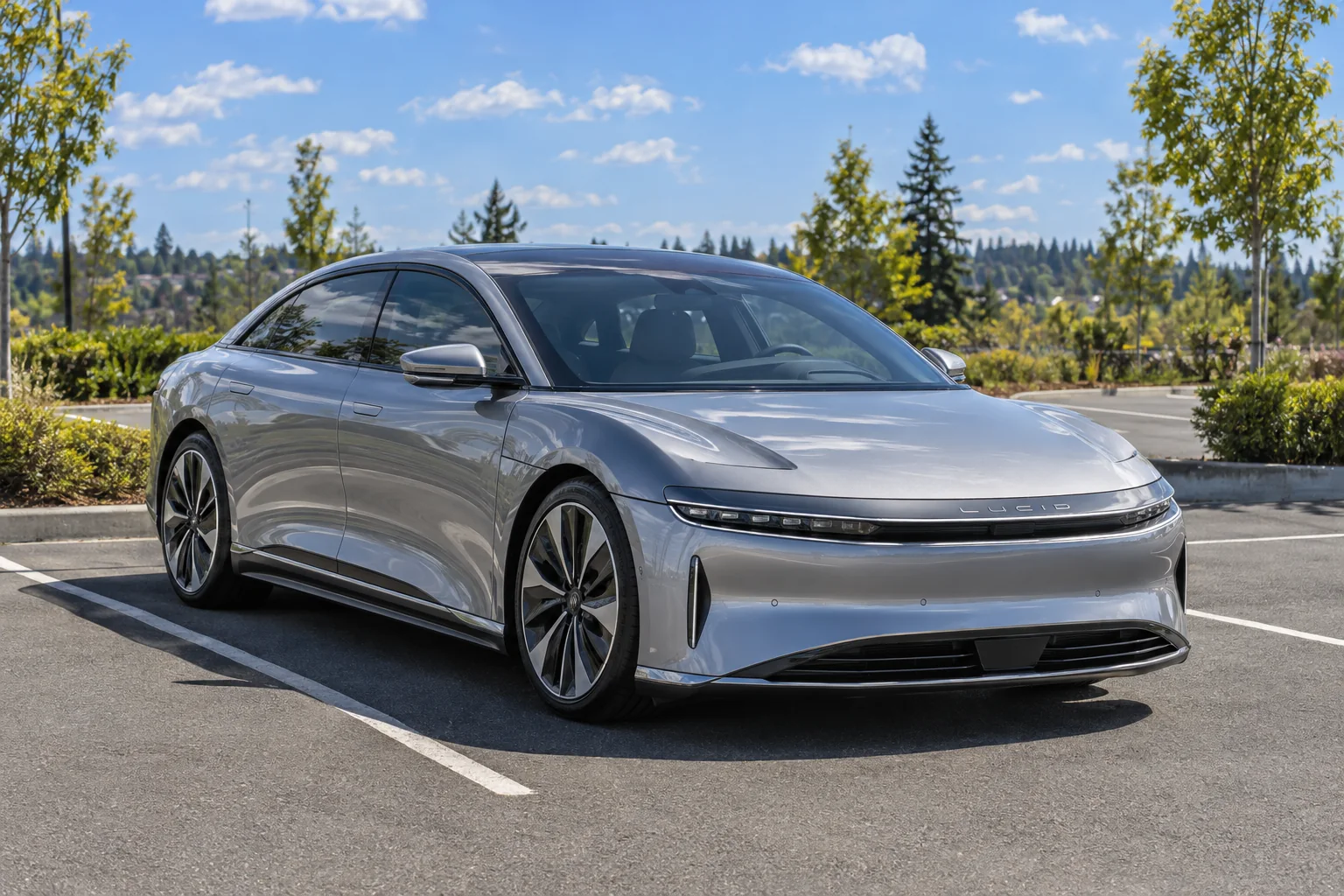
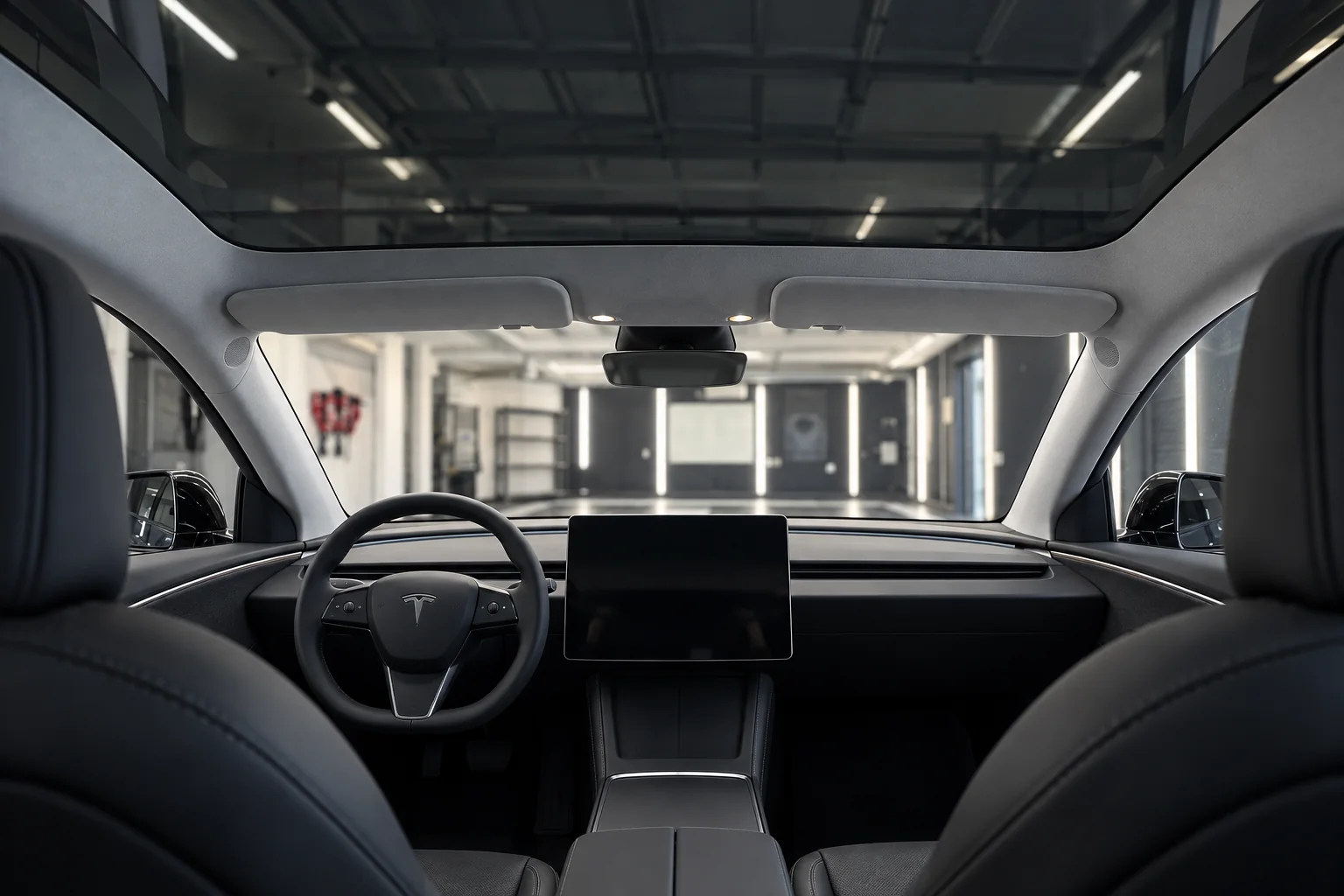
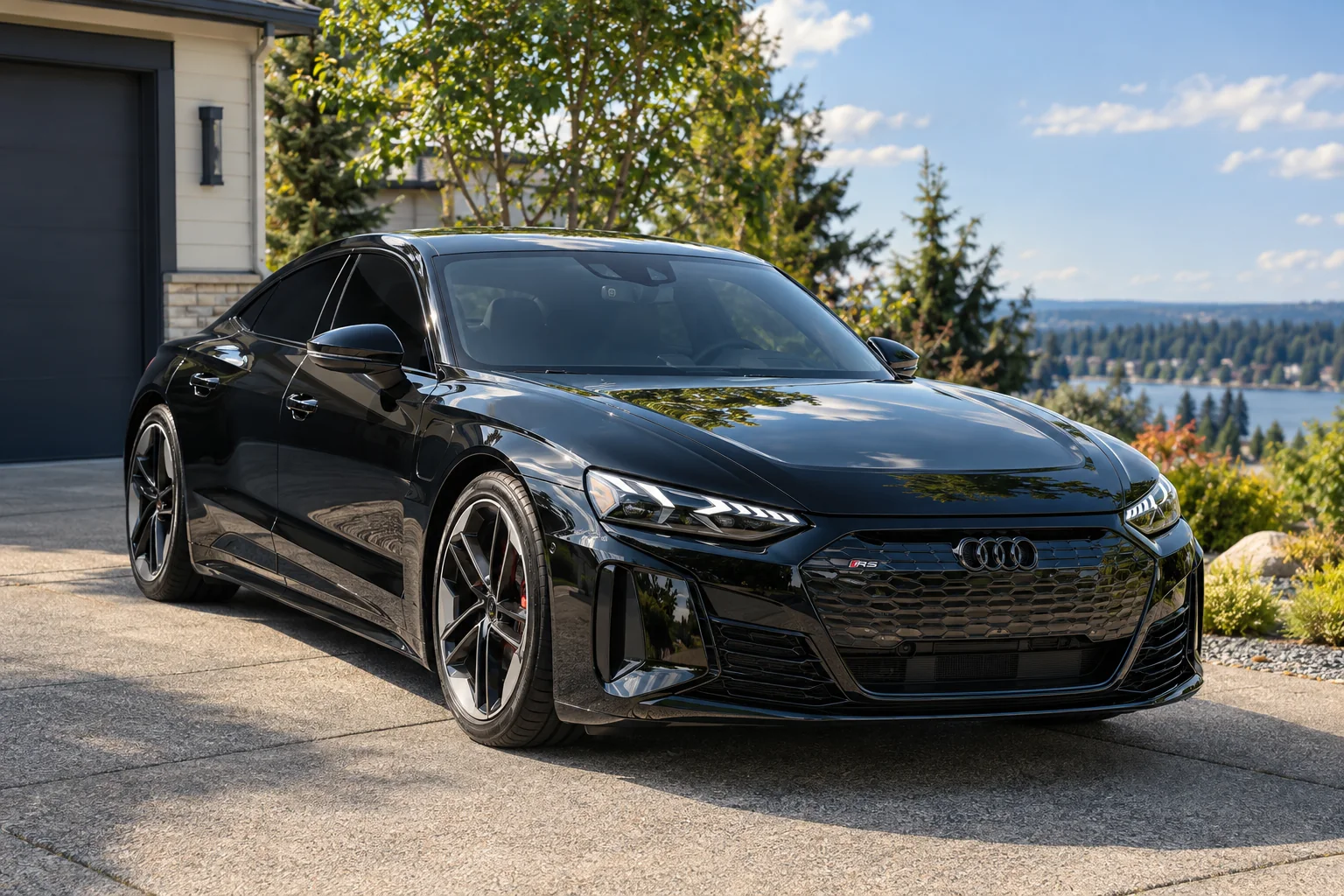
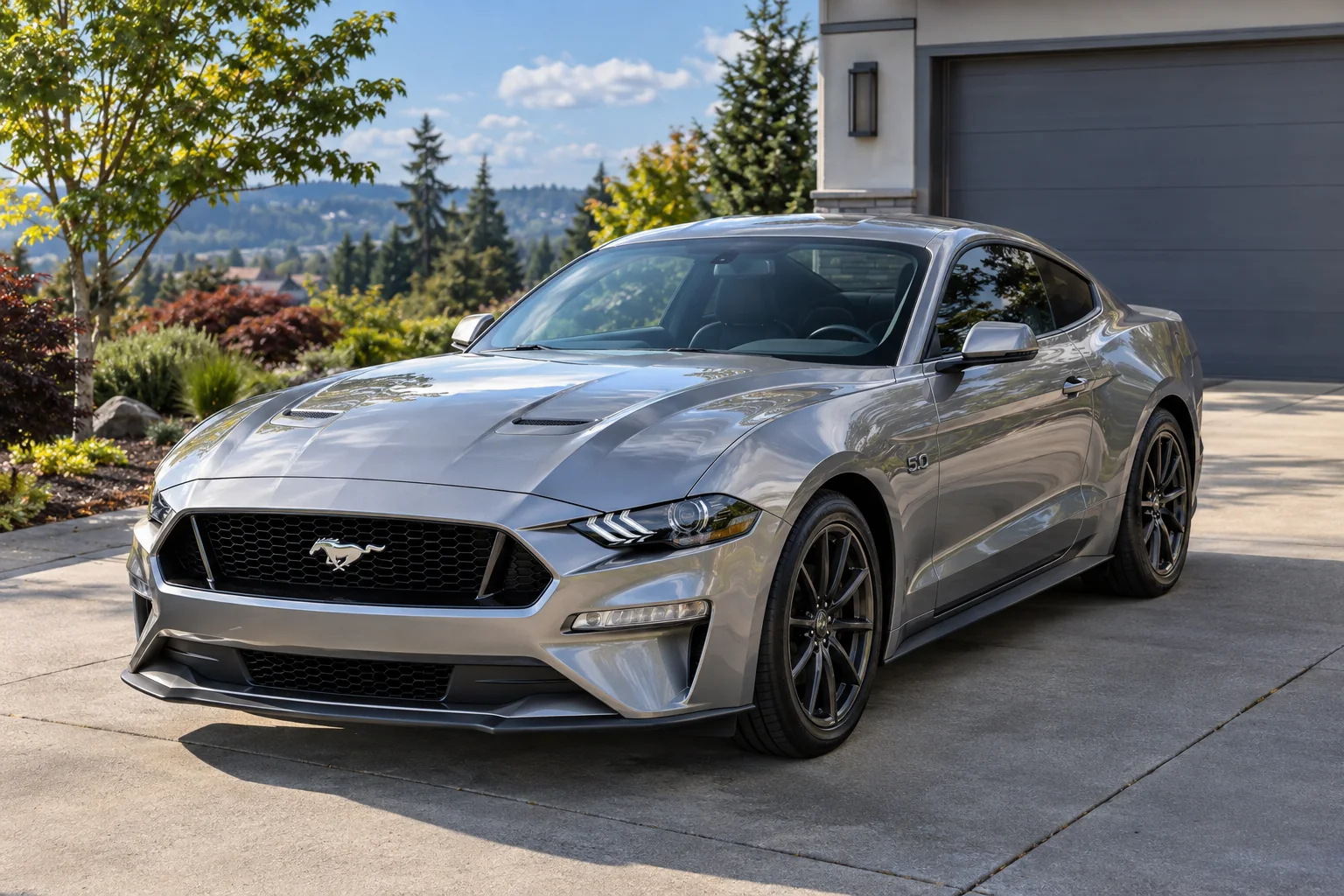
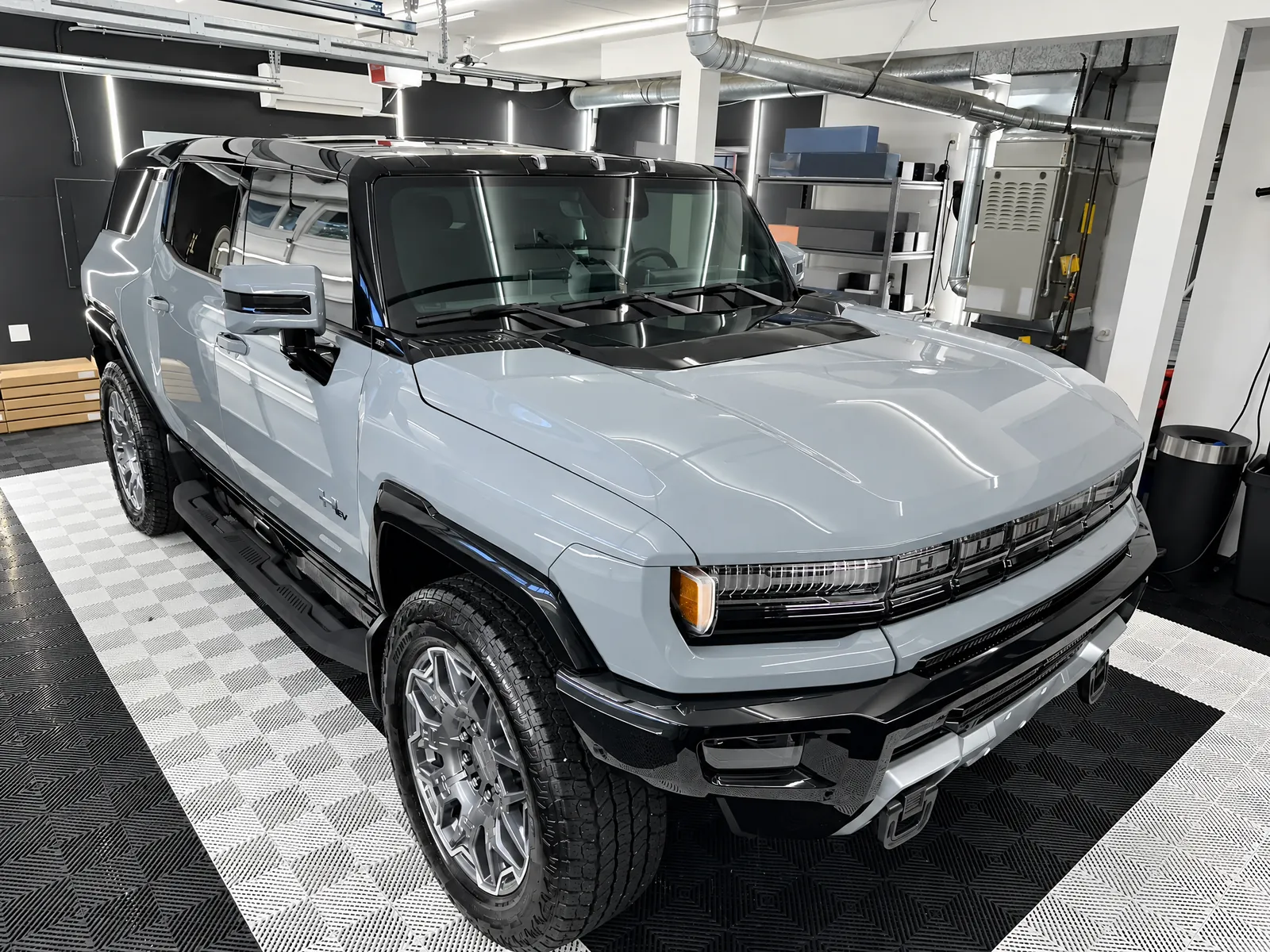
Extreme weather conditions, whether scorching heat or freezing cold, can significantly impact the comfort and longevity of your vehicle. A high-quality automotive window tint film offers crucial protection, mitigating these effects and enhancing your driving experience. However, not all tints are created equal. Selecting the appropriate film for your region’s climate is vital for optimal performance.
The best automotive tint films for extreme weather conditions
Choosing the Right Window Tint for Extreme Weather
Factors to Consider
When considering window tints for extreme weather, several key factors must be taken into account. Firstly, the Total Solar Energy Rejected (TSER) rating indicates the film’s ability to block solar heat. A higher TSER rating signifies better heat rejection, crucial for hot climates. Secondly, the Visible Light Transmittance (VLT) dictates how much visible light passes through the film. While lower VLT offers greater heat reduction and UV protection, it also reduces visibility, so a balance must be struck. Finally, the film’s durability and resistance to cracking or fading under extreme temperatures is paramount for long-term performance.
Top Performing Films
Several manufacturers produce films specifically designed for extreme conditions. Ceramic films often excel in heat rejection without significantly compromising visibility. These films utilize ceramic particles instead of metallic layers, reducing signal interference with GPS or radio signals—a common issue with metallic tints. Furthermore, nano-ceramic films offer exceptional clarity and heat rejection capabilities, providing a premium solution. However, choosing a reputable brand known for its robust construction and warranty is vital to ensure long-term performance and protection against weather-related damage.
Conclusion
In conclusion, selecting the right window tint for extreme weather is an investment in both your vehicle’s longevity and your driving comfort. By understanding the key factors – TSER, VLT, and durability – and considering options like ceramic or nano-ceramic films, you can effectively protect your vehicle from the damaging effects of extreme heat or cold. Always consult with a reputable tinting professional to determine the optimal film based on your specific needs and location.
More from the blog
See them all 5 Unexpected Benefits of Window Tinting for Pet Owners5 Unexpected Benefits of Window Tinting for Pet Owners Window tinting is often associated with increased privacy and reduced energy costs. However, for pet owners, the benefits extend far beyond these common advantages. This article highlights five unexpected ways window tinting can improve the lives of both you and your furry, feathered, or scaled companions.…Read more
- Is it true you can’t wash your car for weeks after tinting?Is the Weeks-Long Car Wash Wait After Tinting True Many car owners have heard the advice to avoid washing their car for several weeks after getting their windows tinted. This common belief stems from a concern about the curing process of the tint film. However, the truth is more nuanced than a blanket “wait weeks”…Read more
- Is factory tint the same as aftermarket window film?Is factory tint the same as aftermarket window film Many car owners wonder about the differences between factory-installed window tint and aftermarket window film. While both serve the purpose of tinting vehicle windows, there are key distinctions in their production, application, and overall quality. Understanding these differences can help consumers make informed decisions when choosing…Read more