Carbon window film
Union Carbon IR
The everyday choice
Up to75%Infrared heat blocked
99.99%UV blocked
A carbon film that blocks up to 75% of infrared heat, holds its color and stays black instead of turning purple.

Everything we do at our Auburn shop
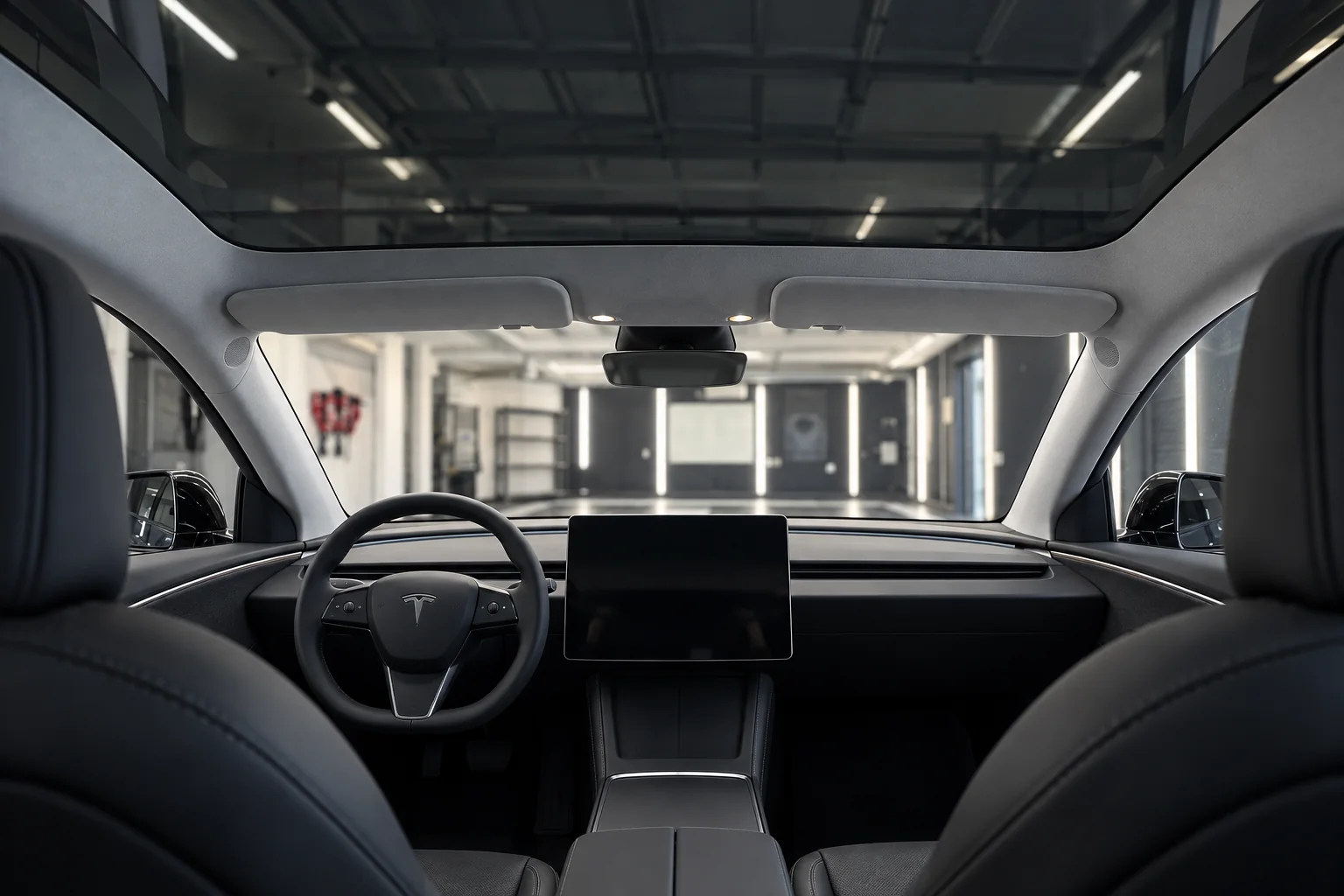
Car window tintingUnion film cut to your glassCeramic window tintingUp to 87% infrared heat blockedTesla window tintingSide glass, rear glass and the roofPaint protection filmClear film that takes the chipsCeramic coatingGloss that sheds water and dirtWindshield protectionProtection film and glass coatingCar detailingInside, outside and under the hood
Not sure which you need? Tell us your car and we will help you choose.
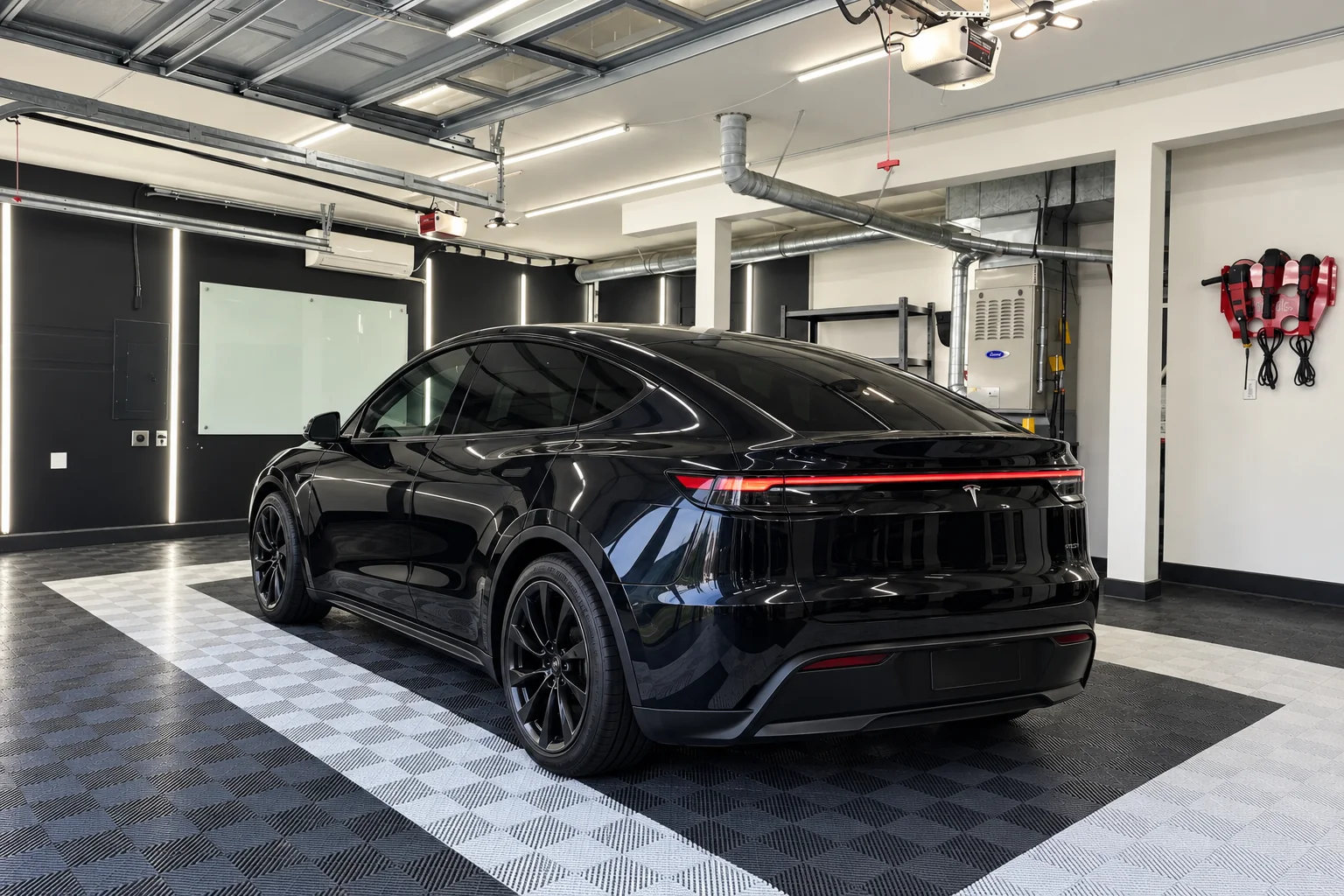
Tint shades
Tap a shade. The windows change to that shade; the car stays the same.
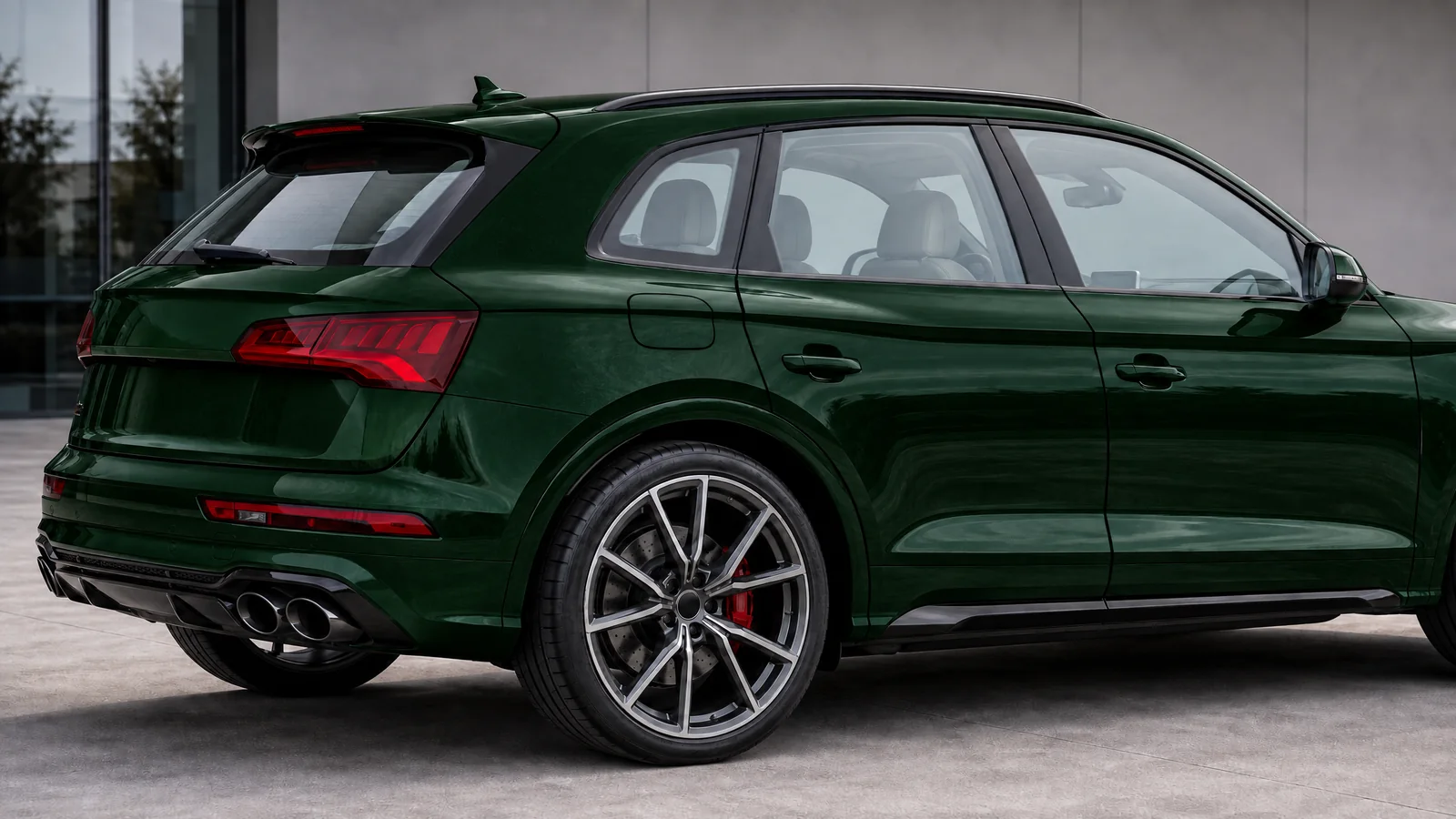
Legal on every window of a car in Washington
One shade on every window, front to back
Washington allows 24% or lighter on a car’s side and back windows; behind the driver on an SUV, truck or van, any shade.
Union films
The shade is how the car looks. The film is how much heat it stops. You choose each one for its own job.
Carbon window film
The everyday choice
A carbon film that blocks up to 75% of infrared heat, holds its color and stays black instead of turning purple.
Ceramic window film
The most heat control
The same carbon base with a ceramic layer on top. It blocks up to 87% of infrared heat, the most Union film offers.
Figures are Union’s published maximums for each film. Both come with Union’s limited lifetime warranty against bubbling, peeling and fading on qualifying installs.
Window tint law
The percentage is how much light the window lets through, so a lower number is darker. Washington measures the glass and the film together.
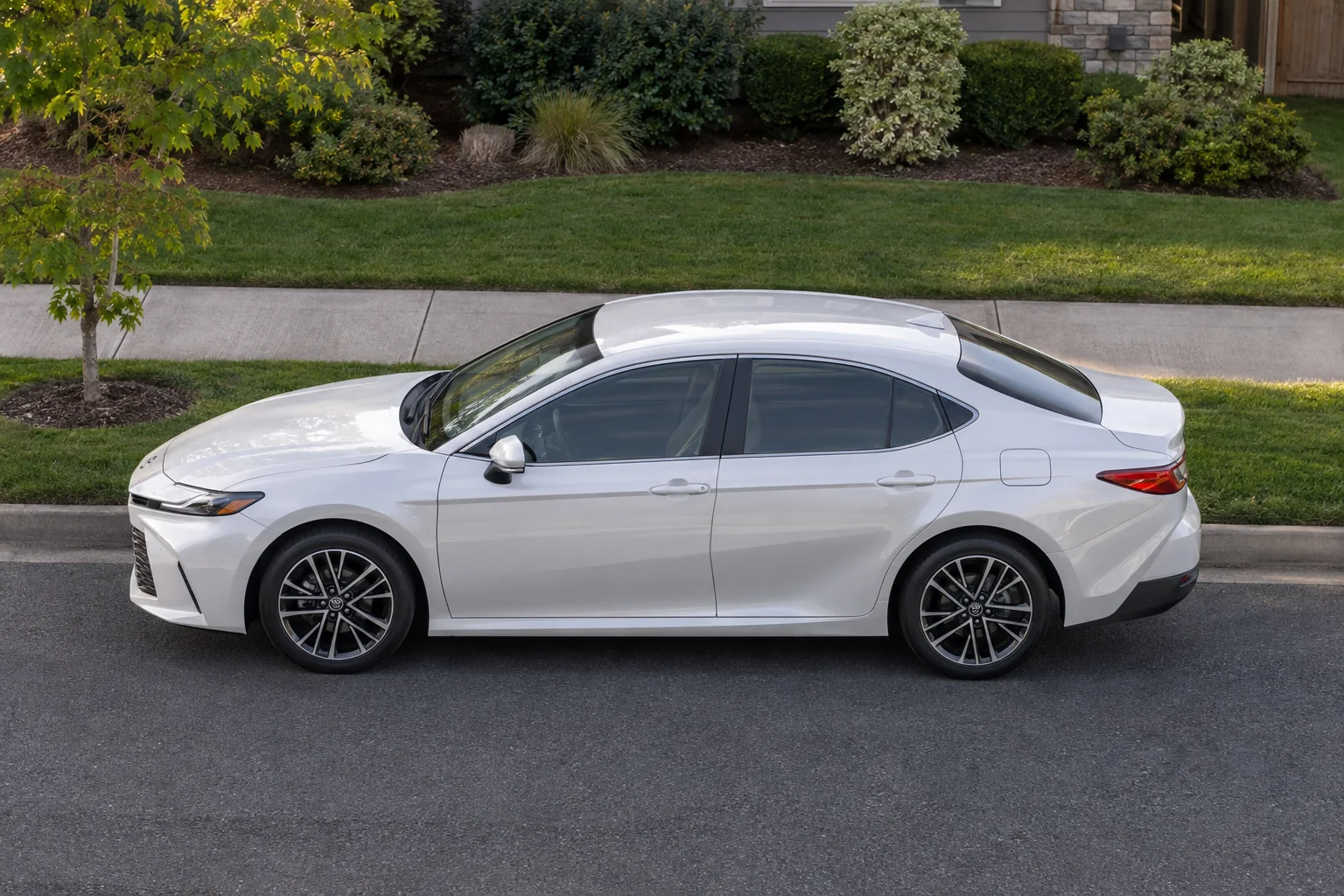
Free quote
Tell us your car and what you would like done. We will come back to you with a price and a time.
Prefer to talk? Call us(253) 495-2018From darkest to lightest: 5%, 15%, 20%, 35%, 50% and 70%. Darker shades give more privacy, lighter ones keep a factory look, and we make sure the front windows stay legal.
In Washington, the front side windows must let in at least 24% of light, and the rear side windows and back window can take at least 24%. On SUVs, trucks and vans, the rear windows can take any shade. We check the law for your car before we start.
Yes, if heat matters to you. Ceramic film keeps more heat out without having to look darker: Union Ceramic IR blocks up to 87% of infrared heat, against 75% for Union Carbon IR.
Keep them up for 3 to 5 days while the film dries, and wait a week before cleaning the inside of the glass. Use a soft cloth and an ammonia-free cleaner.
Car window tinting usually costs from $200 to $800. The price depends on your vehicle and the film you choose.
Ceramic window tint usually costs from $350 to $1,000. The price depends on your vehicle and the ceramic film you choose.